Our research
Exploring exciton phenomena
Welcome to Andrés Granados del Águila Laboratory, part of the Institute of Materials Science at the University of Valencia.
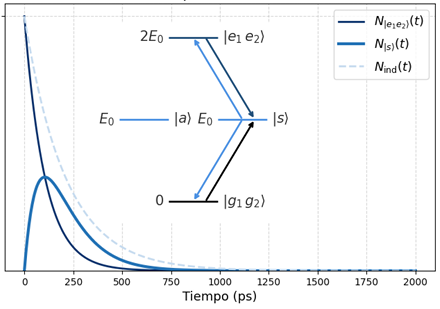
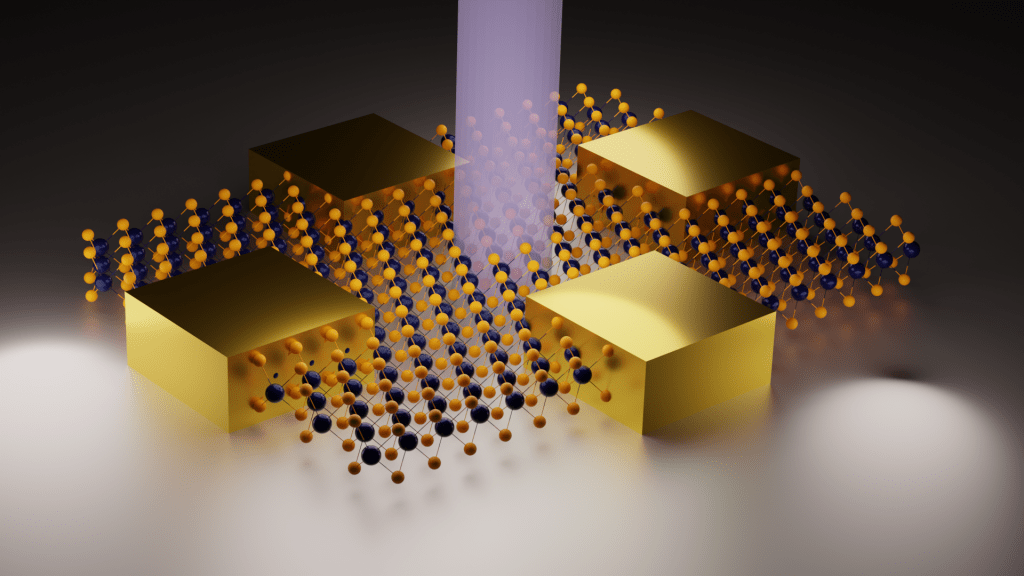
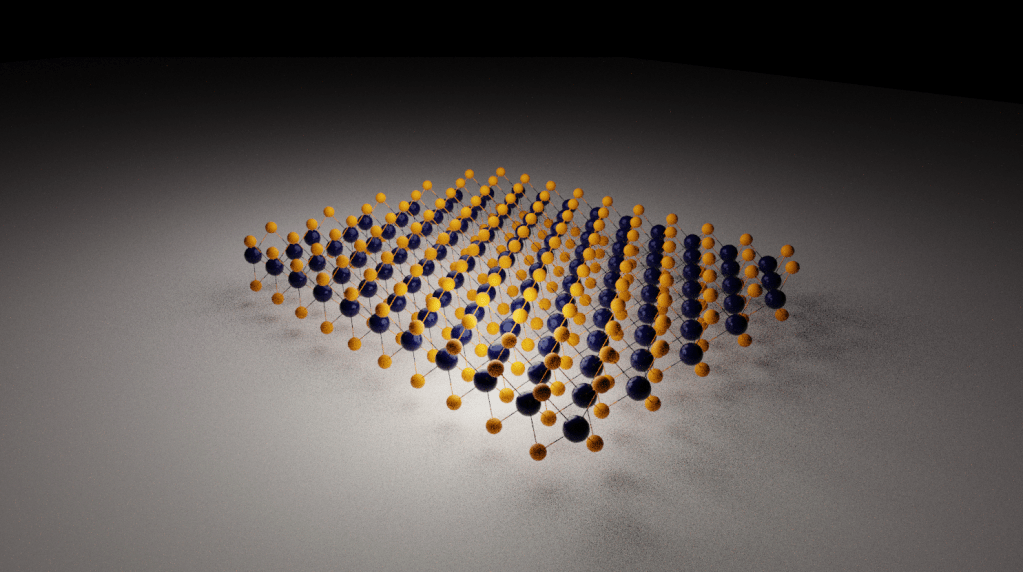
Our research focuses on the microscopic behaviour of excitons (X), coupled electron-hole pairs, in emergent quantum materials. We are particularly fascinated by their collective behaviour in two-dimensional (2D) semiconductors, such as TMD monolayers, as well as in single-photon emitters. To unlock this exciting physics, we investigate the resulting strong optical and transport nonlinearities by developing novel samples arquitectures and experimental techniques.





News /
Events
New Publication!
April 2026
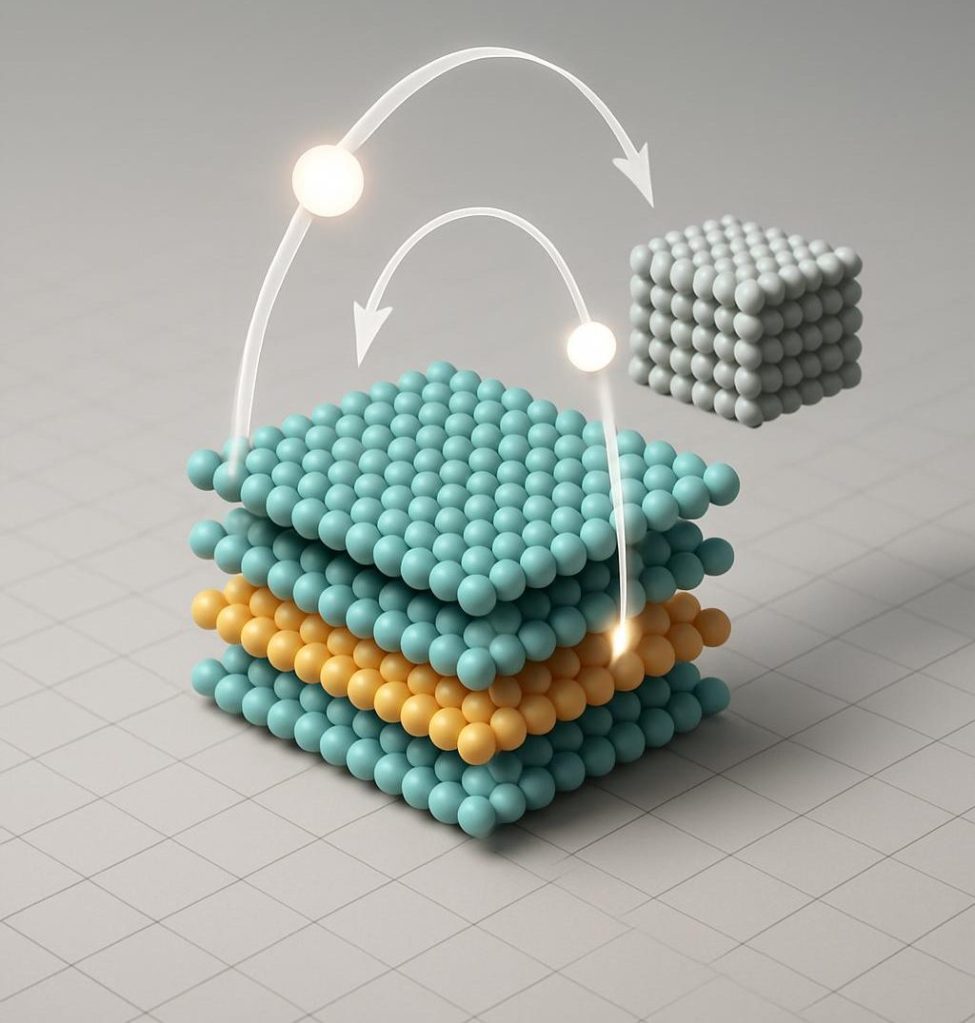
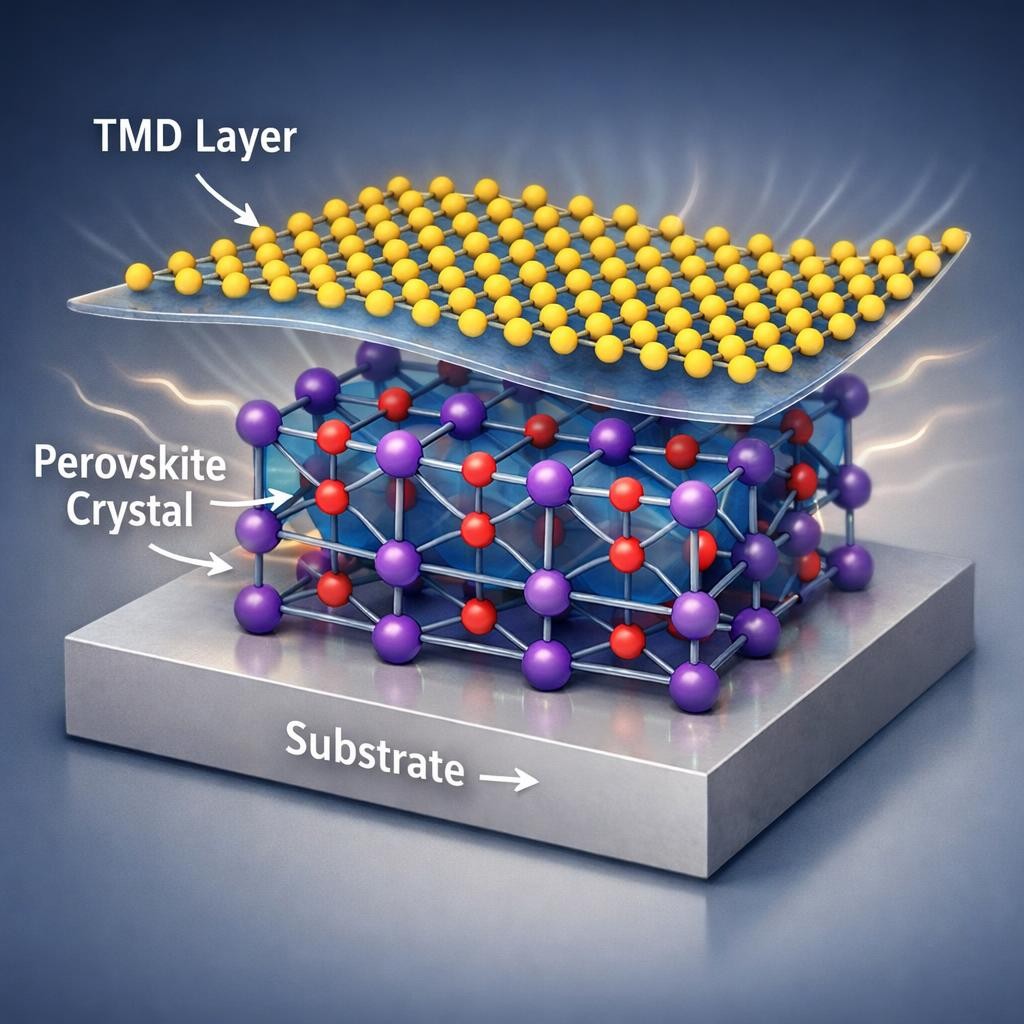
Our joint work, lead by Dr. Xinyun Wang, on TMD/perovskite heterostructures, “Ferroelectric brightening of spin‑forbidden dark excitons in a WSe₂/hybrid‑perovskite heterostructure”, with our colleagues at NUS and IFIM Singapore has just been accepted for publication in Nat. Comm. Congratulations to the team!

CIAPOS Postdoctoral Fellowship!!
September – November 2026
The Andrés Granados del Águila Lab welcomes applications from highly motivated researchers who are curious, enthusiastic and passionate about science. If you are a 2D materials scientist with strong expertise in nanofabrication and are looking to advance your career in a dynamic research environment, I would be delighted to host you through the CIAPOS Fellowship program at the Generalitat Valenciana.
For more details, please see the embedded link. I look forward to hearing from you.
We welcome PhD candidate D. Moiseev to the group!
June 2026
We’re thrilled to welcome D. Moiseev to the group! As my first PhD student at ICMUV, he will explore excitons and collective states in two-dimensional semiconductors and CDW materials through time-resolved optical imaging. Welcome D. and best wishes for a successful and inspiring PhD!
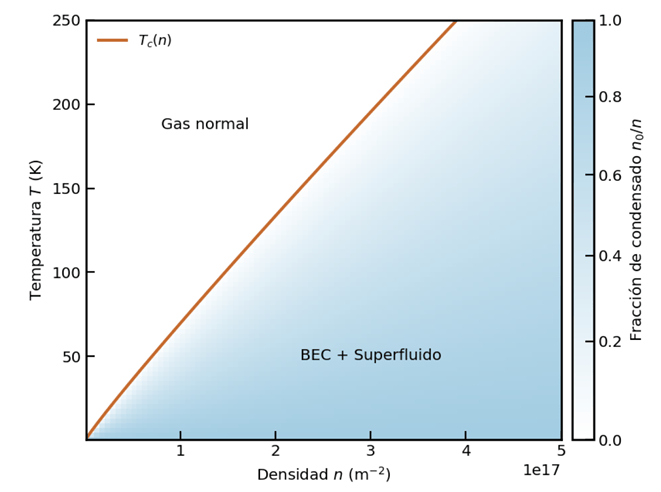
Congratulations to A. Pina! TFG thesis passed with honors!
5 September 2026
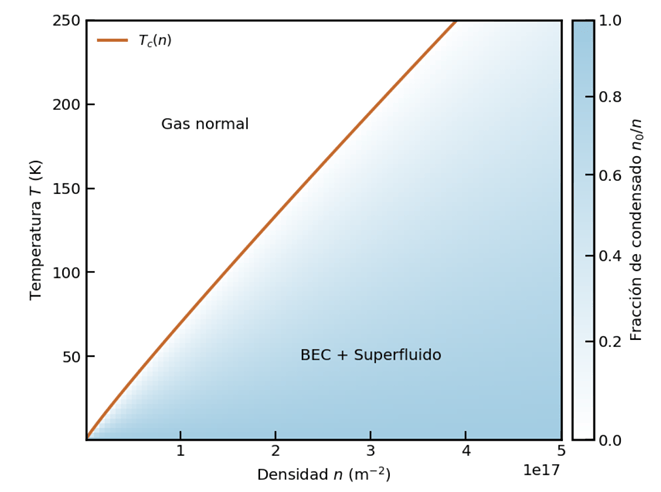
I am delighted to share that my supervised undergraduate student, Ms. A. Pina, has passed her TFG work with Honours (= 10). Her research focused on the phases of collective excitons in two-dimensional materials. She has calculated a beautiful phase diagram accounting for both, repulsive and attractive interactions between excitons (see above image). Far from simple!! What a great work she has done!! Congratulations!! I wish you all the best in your future endeavors.
Recent breakthroughs in exciton research
Research highlights
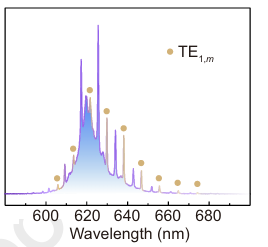
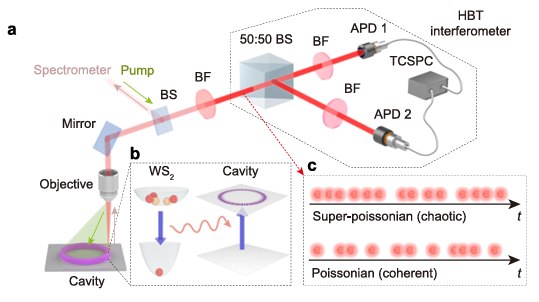
Two-dimensional (2D) semiconductors hold great potential as coherent light sources for photonic integrated circuits. However, the conventional integration of 2D materials on to silicon photonics introduces significant structural and optoelectronic drawbacks, hindering the practical realization of coherent photonic circuits. In this work, we introduce the concept of a van der Waals photonic integrated circuit, which is a complete on-chip optical system fabricated entirely from a van der Waals heterostructure, showcasing the potential of 2D materials for advanced nanophotonics applications.
We sincerely congratulate Prof. Ren and all co-authors for this outstanding contribution to the field of nanophotonics.